
Choosing the Right Rubbish Bin for Home and Commercial Use
Choosing the Right Rubbish Bin: A Comprehensive Guide
Selecting the appropriate rubbish bin is crucial for efficient waste management, both at home and in commercial settings. This guide explores the different types of bins, materials, sizes, and features to help you make an informed decision. Proper waste disposal is vital for maintaining hygiene, protecting the environment, and complying with local regulations. We'll cover everything from small kitchen bins to large industrial containers, ensuring you find the perfect solution for your needs.
Types of Rubbish Bins Available
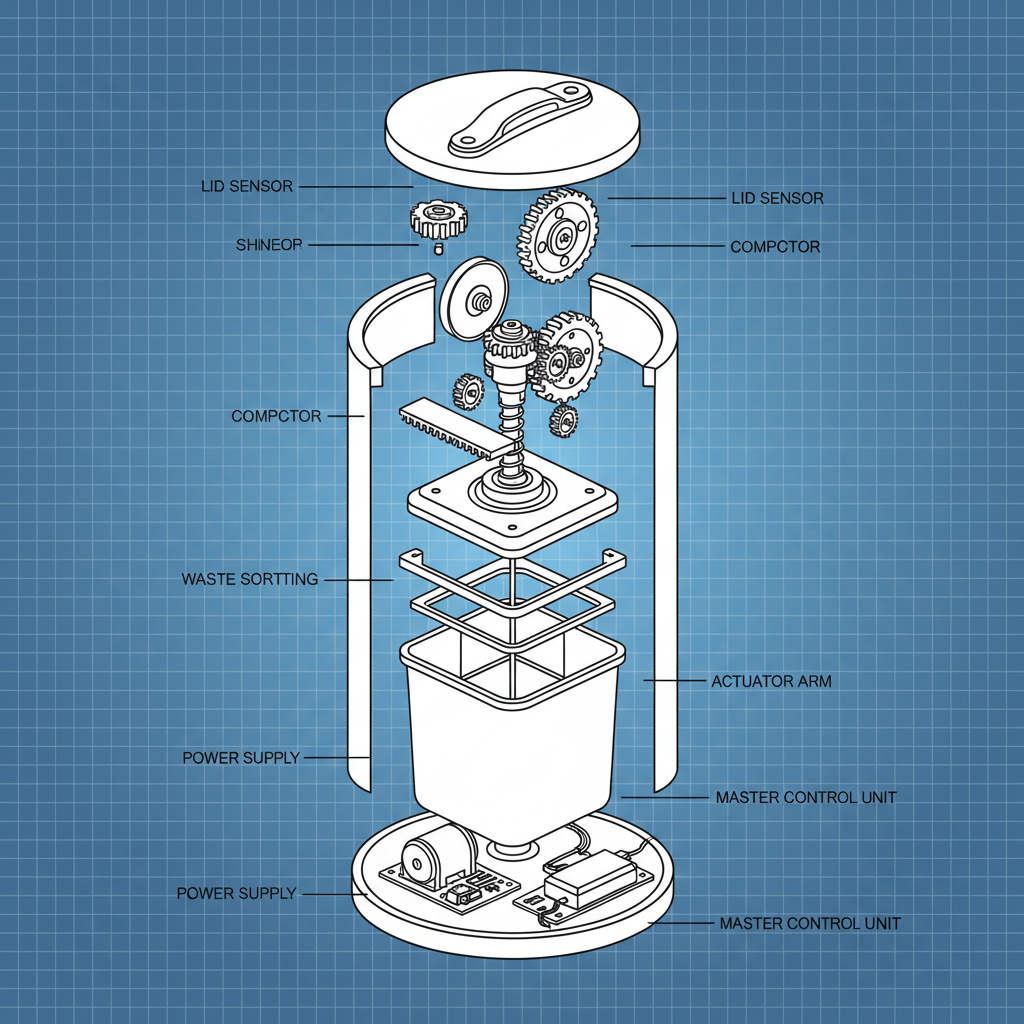
Rubbish bins come in a wide array of types, each designed for specific purposes. Common categories include pedal bins, sensor bins, swing-top bins, and wheelie bins. Pedal bins offer hands-free operation, promoting hygiene, while sensor bins provide a contactless experience. Swing-top bins are ideal for quick disposal, and wheelie bins are best suited for larger volumes of waste and outdoor use. There are also specialized bins for recycling, composting, and medical waste. Understanding these distinctions is key to selecting the right bin for your requirements. HBYQ Metal offers a comprehensive range of options.
Key Highlights: Variety of types available to suit different needs – from kitchen convenience to large-scale waste management.
Materials Used in Rubbish Bin Construction
The material a rubbish bin is made of significantly impacts its durability, cost, and suitability for different environments. Stainless steel bins are highly durable, rust-resistant, and aesthetically pleasing, making them ideal for kitchens and indoor use. Plastic bins are lightweight, affordable, and available in various colors, suitable for general waste disposal. Metal bins (other than stainless steel) are often used for outdoor and commercial applications due to their strength. Choosing the right material ensures longevity and efficient waste containment.
Material Benefits:
• Stainless Steel: Durable, rust-resistant, hygienic.
• Plastic: Lightweight, affordable, versatile.
• Metal: Strong, suitable for outdoor use.
Rubbish Bin Sizes and Capacity
Selecting the correct size of a rubbish bin is essential. Kitchen bins typically range from 5 to 30 liters. Office bins often fall between 50 to 100 liters. For commercial or industrial use, bins can range from 120 to 1100 liters or more. Consider the amount of waste generated and the frequency of emptying when making your decision. Overestimating can lead to wasted space, while underestimating can result in overflowing bins and hygiene issues.
Features to Consider When Purchasing a Rubbish Bin
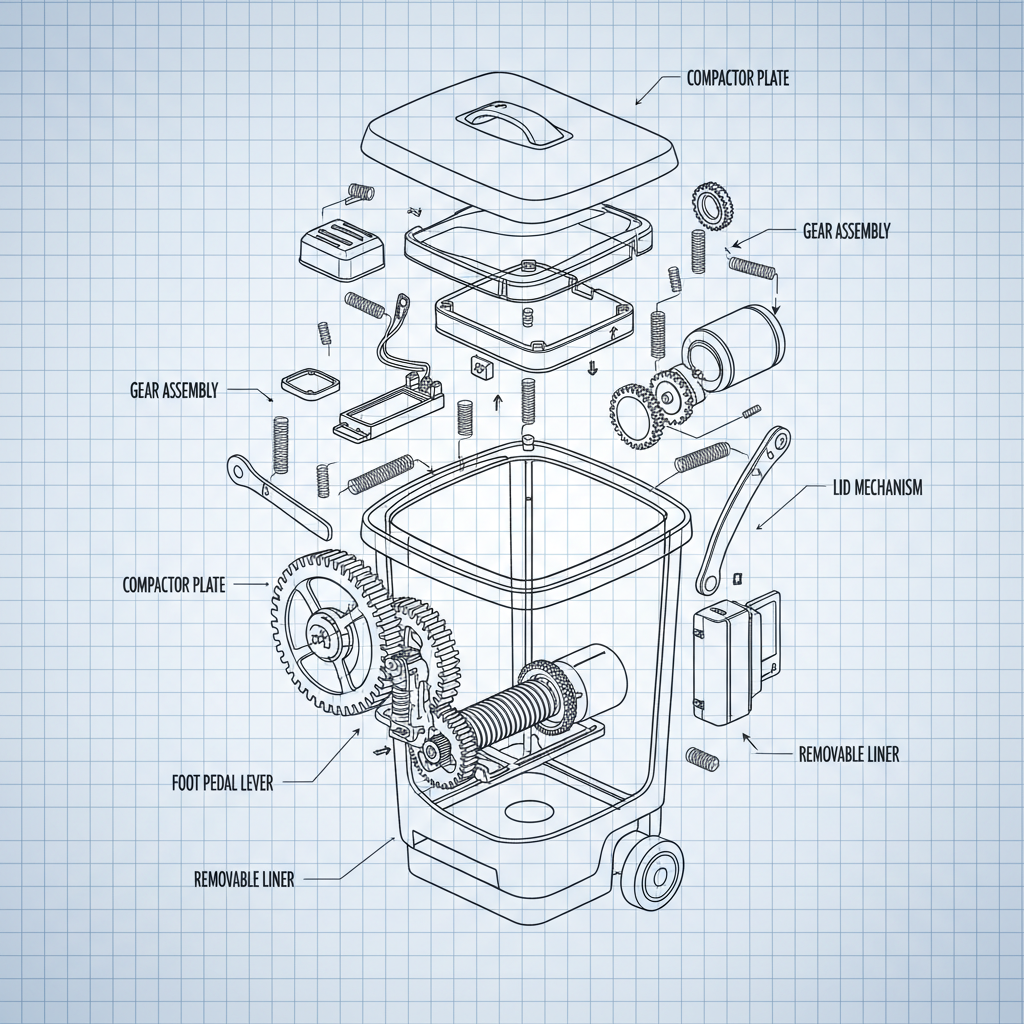
Beyond type, material, and size, consider specific features. Hands-free operation (pedal or sensor) enhances hygiene. Lockable lids prevent unauthorized access and spills. Wheels facilitate easy maneuverability, particularly for larger bins. Removable inner buckets simplify emptying and cleaning. Some bins also incorporate odor control technology. Choosing a bin with the right features improves usability and maintains a clean environment. HBYQ Metal provides bins with a variety of these features.
Comparing Popular Rubbish Bin Brands & Models
Several brands offer high-quality rubbish bins. HBYQ Metal is renowned for its durable stainless steel and metal bins. Brabantia is a popular choice for stylish and functional kitchen bins. Simplehuman offers innovative sensor bins with sleek designs. The best choice depends on your budget, needs, and aesthetic preferences. Consider reviews and compare specifications before making a purchase.
Conclusion: Finding the Perfect Rubbish Bin
Choosing the right rubbish bin is an investment in hygiene, efficiency, and environmental responsibility. By carefully considering the type, material, size, and features, you can find a bin that meets your specific needs. Don't hesitate to explore options from reputable brands like HBYQ Metal to ensure quality and durability.
Frequently Asked Questions (FAQs)
How often should I clean my rubbish bin?
Regular cleaning is essential to prevent odors and bacteria buildup. For indoor bins, a quick wipe-down with disinfectant weekly is recommended. Outdoor bins should be thoroughly cleaned at least monthly, or more frequently during warmer weather. Emptying the bin regularly and rinsing it with soapy water can significantly reduce odors. Proper hygiene practices ensure a clean and healthy environment.
What is the best way to dispose of different types of waste?
Different types of waste require different disposal methods. Recyclable materials (paper, plastic, glass, metal) should be separated and placed in designated recycling bins. Organic waste (food scraps, yard waste) can be composted or disposed of in green waste bins. Hazardous waste (batteries, chemicals, paint) requires special handling and should be taken to designated collection points. Always follow local regulations regarding waste disposal.
Are stainless steel bins more expensive than plastic bins?
Generally, stainless steel bins are more expensive than plastic bins due to the cost of the material and the manufacturing process. However, stainless steel bins offer greater durability, rust resistance, and aesthetic appeal, making them a worthwhile investment in the long run. Plastic bins are a more affordable option for basic waste disposal.
How can I minimize odors from my rubbish bin?
Several strategies can help minimize odors. Regularly emptying the bin, using bin liners, and cleaning it frequently are essential. Sprinkling baking soda at the bottom of the bin can absorb odors. For organic waste, consider composting or using odor-absorbing bin liners. Proper ventilation can also help reduce odors.
-
How to Choose the Best Durable Outdoor Patio Garbage CanNewsApr.16,2026
-
Best Durable Outdoor Garbage Can with Wheels for Every SpaceNewsApr.09,2026
-
Choosing the Right Dual Waste Bin for Business Efficiency and SustainabilityNewsApr.07,2026
-
Revolutionizing Waste Management with Versatile Electronic Bin SolutionsNewsApr.04,2026
-
Comprehensive Guide to Selecting the Right Rubbish Container SolutionsNewsMar.31,2026
-
Choosing the Right Large Rubbish Bin for Effective Waste ManagementNewsMar.28,2026
-
Choosing the Right Stainless Steel Waste Bin for Your NeedsNewsMar.26,2026