
Choosing the Optimal Compactor Bin for Effective Waste Management Solutions
Choosing the Right Compactor Bin for Your Needs
Selecting the appropriate compactor bin is crucial for efficient waste management, cost reduction, and environmental responsibility. Whether you’re managing commercial waste, construction debris, or industrial materials, understanding the different types and features of compactors and their corresponding bins is essential. This article provides a comprehensive guide to help you choose the best compactor bin for your specific requirements. We’ll cover various bin types, features, and considerations for optimal performance and longevity.
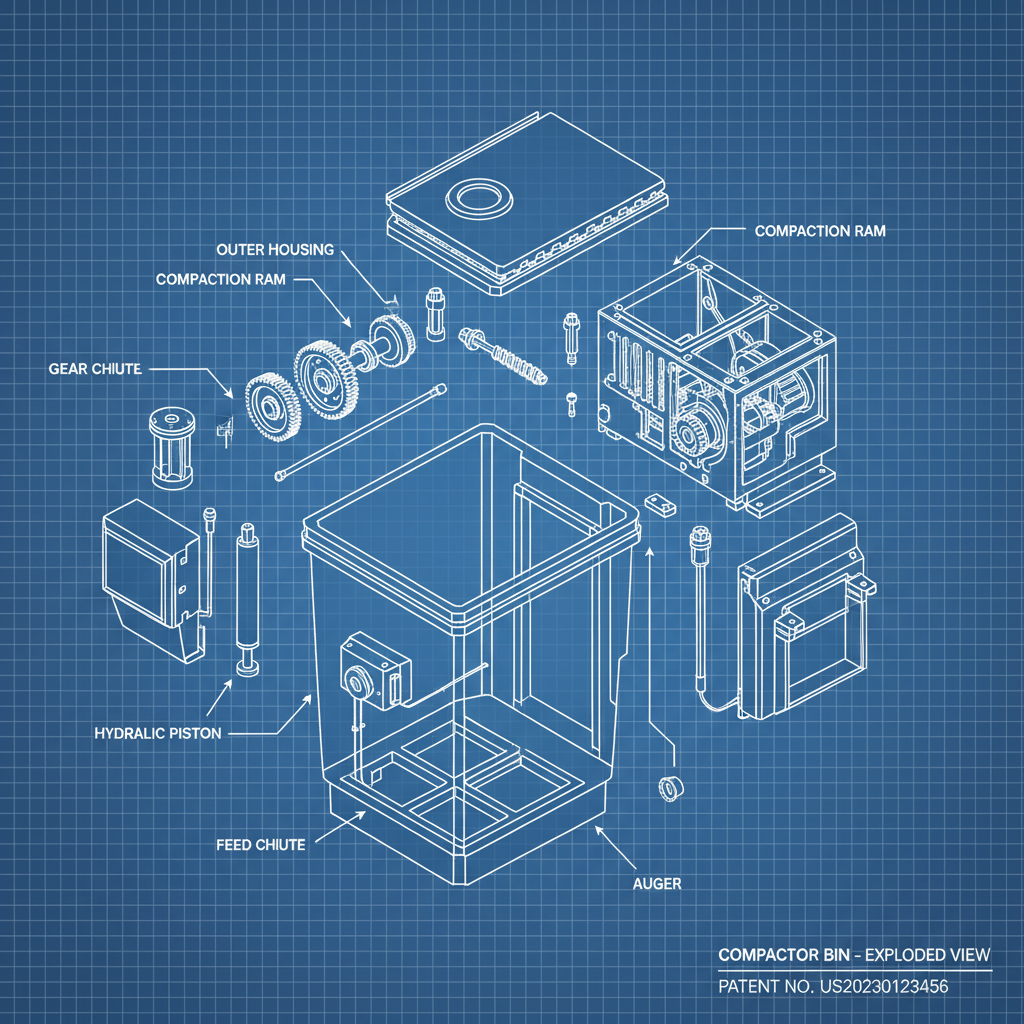
Understanding Different Types of Compactor Bins
Compactor bins come in several types, each designed for specific applications and waste volumes. The most common types include self-contained compactors, stationary compactors, and vertical compactors. Self-contained compactors integrate the compactor and bin into a single unit, offering convenience and portability. Stationary compactors require a separate bin and are typically used for high-volume waste streams. Vertical compactors are ideal for space-saving applications and handle a variety of recyclable and non-recyclable materials. Selecting the right type depends on factors like waste volume, available space, and budget.
Key Considerations: Choosing the correct compactor bin directly impacts your waste disposal efficiency, costs, and environmental footprint. Proper selection minimizes hauling fees and promotes sustainable waste management practices.
Key Features to Look for in a Compactor Bin
When evaluating compactor bins, consider features like material construction, capacity, loading mechanisms, and safety features. High-quality steel construction ensures durability and resistance to corrosion. Capacity should align with your waste generation rate to avoid frequent emptying. Loading mechanisms such as side loading or rear loading affect accessibility and efficiency. Safety features like locking mechanisms and automatic shut-off systems are essential to prevent accidents and ensure operator safety.
Essential Features:
• Durable Steel Construction
• Appropriate Capacity for Waste Volume
• Efficient Loading Mechanism
• Robust Safety Features
Compactor Bin Materials: A Comparison
The material of a compactor bin significantly impacts its durability and lifespan. Steel is the most common material due to its strength and resistance to wear and tear. However, the gauge (thickness) of the steel varies. Heavier gauge steel offers greater durability but comes at a higher cost. Aluminum is lighter and corrosion-resistant but less strong than steel. Plastic bins are suitable for lighter-duty applications but lack the robustness required for heavy compaction. HB YQ Metal specializes in producing high-quality steel compactor bins.
Choosing the Right Size Compactor Bin
Determining the correct bin size is essential to optimize compaction efficiency and minimize hauling costs. Under-sizing the bin leads to frequent emptying and increased labor expenses. Over-sizing results in wasted space and potentially lower compaction rates. Calculate your average daily waste volume and factor in future growth to select a bin size that meets your current and anticipated needs. Consider the type of waste – lighter materials require larger bins than heavier ones.
Long-Term Maintenance and Lifespan
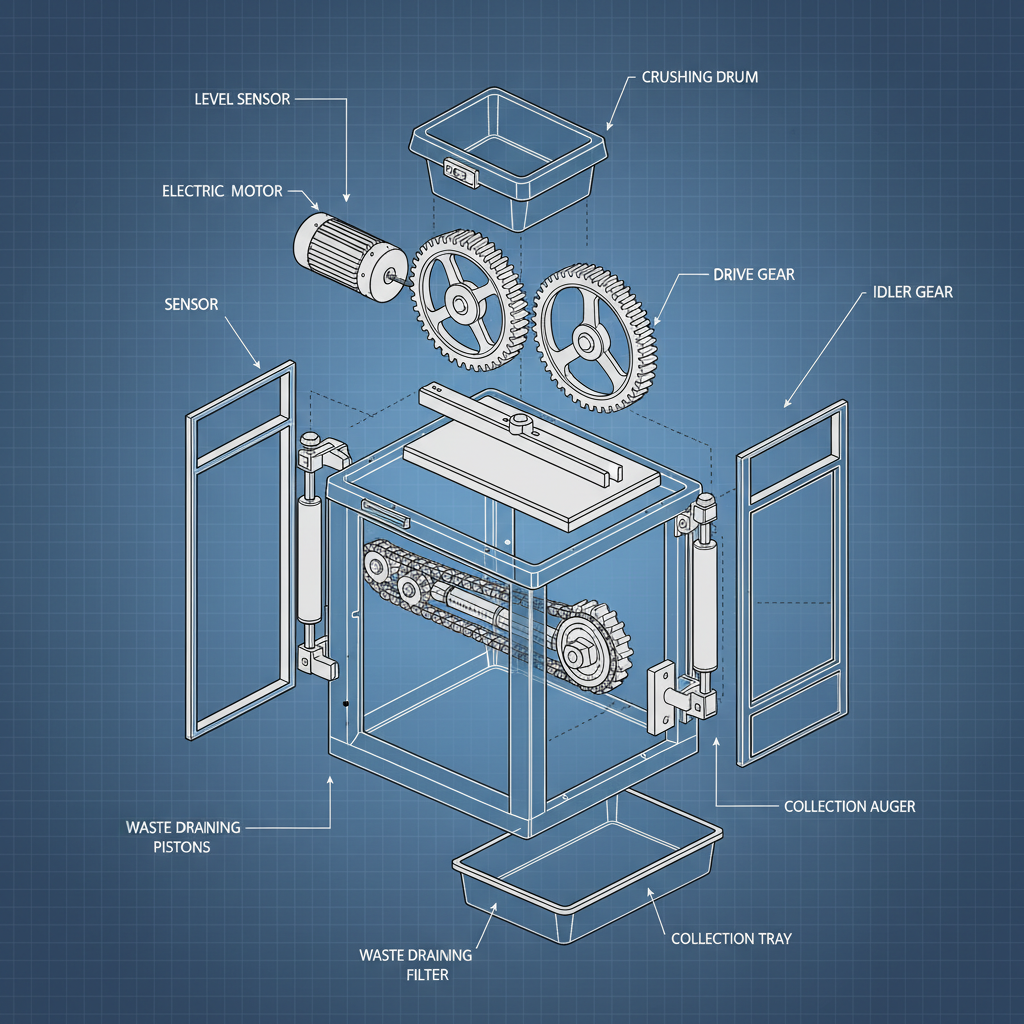
Regular maintenance is critical to extending the lifespan of your compactor bin. This includes routine cleaning, inspection for wear and tear, and timely repairs. Address any damage promptly to prevent further deterioration. Implement a preventative maintenance schedule to identify and resolve potential issues before they escalate. A well-maintained compactor bin will provide reliable service for years, maximizing your investment. HB YQ Metal also provides maintenance support and repair services.
Conclusion: Investing in the Right Compactor Bin
Choosing the right compactor bin is a significant investment that impacts your waste management efficiency and overall costs. By carefully considering your waste volume, material type, space constraints, and budget, you can select a bin that delivers optimal performance and long-term value. Partner with a reputable supplier like HB YQ Metal to ensure you receive a high-quality, durable, and reliable compactor bin tailored to your specific needs.
Frequently Asked Questions (FAQs)
What is the typical lifespan of a steel compactor bin?
The lifespan of a steel compactor bin typically ranges from 10 to 20 years, depending on the quality of steel, the level of maintenance, and the types of materials compacted. Regular inspection and repair of any damage, such as dents or corrosion, can significantly extend its lifespan. Choosing a bin constructed from heavier gauge steel will generally result in a longer service life.
How often should a compactor bin be emptied?
The frequency of emptying depends on the volume of waste generated and the capacity of the bin. It’s crucial to monitor the fill level and schedule emptying before the bin becomes overfilled. Overfilling can reduce compaction efficiency and potentially damage the compactor. For high-volume applications, daily emptying may be necessary, while lower-volume applications may only require weekly or bi-weekly emptying.
What safety precautions should be taken when operating a compactor?
Always follow the manufacturer's safety guidelines when operating a compactor. Ensure that the area around the compactor is clear of obstacles and personnel. Never attempt to operate a compactor with damaged or malfunctioning safety features. Wear appropriate personal protective equipment (PPE), such as safety glasses and gloves. Proper training for operators is essential to ensure safe and efficient operation.
-
How to Choose the Best Durable Outdoor Patio Garbage CanNewsApr.16,2026
-
Best Durable Outdoor Garbage Can with Wheels for Every SpaceNewsApr.09,2026
-
Choosing the Right Dual Waste Bin for Business Efficiency and SustainabilityNewsApr.07,2026
-
Revolutionizing Waste Management with Versatile Electronic Bin SolutionsNewsApr.04,2026
-
Comprehensive Guide to Selecting the Right Rubbish Container SolutionsNewsMar.31,2026
-
Choosing the Right Large Rubbish Bin for Effective Waste ManagementNewsMar.28,2026
-
Choosing the Right Stainless Steel Waste Bin for Your NeedsNewsMar.26,2026