
Choosing the Ideal Small Rubbish Bin for Your Home or Office Needs
Choosing the Right Small Rubbish Bin for Your Needs
Selecting the appropriate small rubbish bin is crucial for maintaining cleanliness and hygiene in any environment, whether it's your home, office, or a commercial space. A well-chosen bin doesn’t just contain waste; it contributes to a more organized and efficient waste management system. This article will explore the various types of small rubbish bins, their applications, and factors to consider when making a purchase. We'll focus on how to find the best solution for your specific needs, ensuring both functionality and aesthetic appeal.
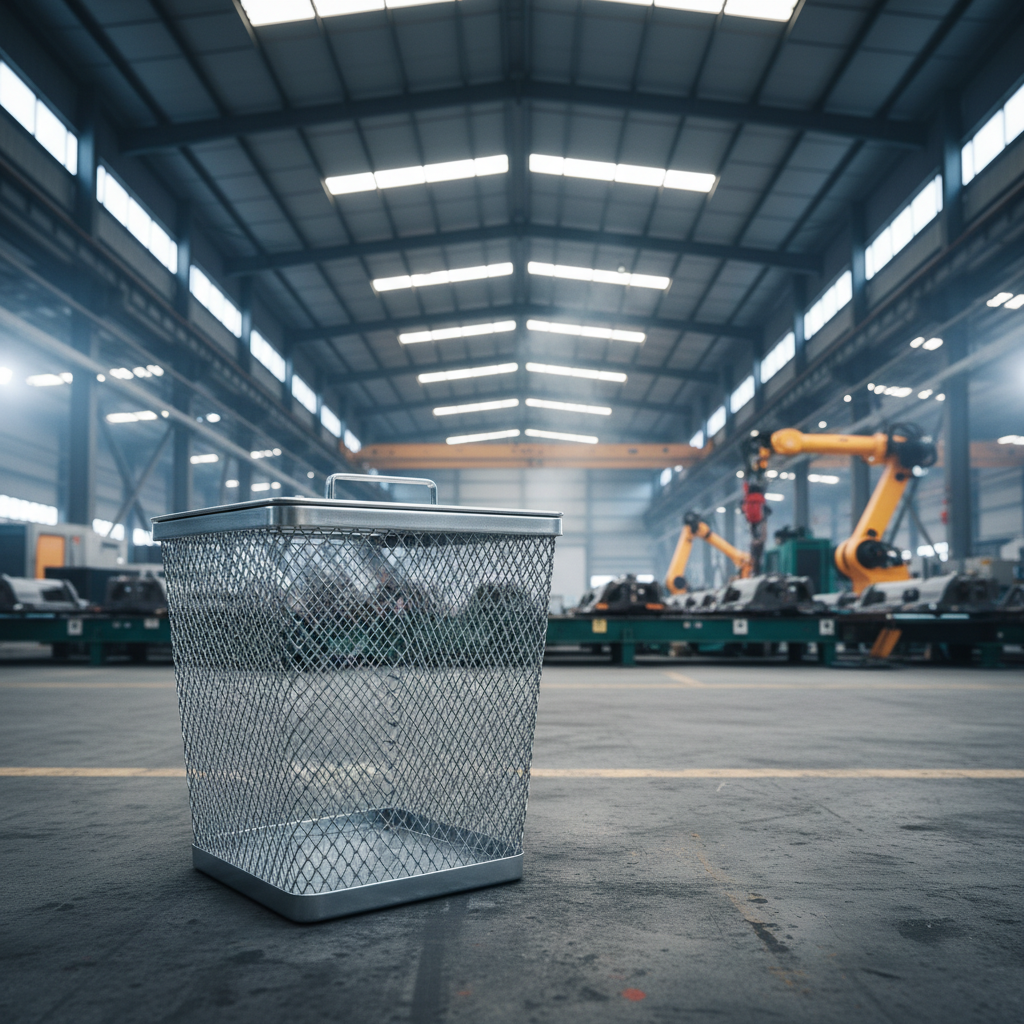
Types of Small Rubbish Bins Available
The market offers a wide range of small rubbish bins, each designed for specific purposes. Common types include pedal bins, swing bins, sensor bins, and wall-mounted bins. Pedal bins offer hands-free operation, promoting hygiene, while swing bins are a simple and affordable option. Sensor bins provide a touchless experience, ideal for high-traffic areas. Wall-mounted bins are space-saving and perfect for bathrooms or kitchens with limited floor space. The material also varies; you’ll find bins made from plastic, stainless steel, metal, and even recycled materials. Each material has its own advantages regarding durability, cost, and aesthetic appeal. Understanding these differences is key to selecting the right bin.
Key Considerations: Material, Lid Type, Capacity, and Durability.
Where to Use a Small Rubbish Bin
The applications for small rubbish bins are incredibly diverse. In kitchens, they are essential for disposing of food scraps and packaging. Bathrooms benefit from small, discreet bins for personal hygiene items. Offices use them for paper waste and general trash. Commercial spaces, like restaurants and retail stores, require more durable and larger capacity bins, but smaller bins are still useful in individual offices or restrooms. Even outdoor spaces, such as patios or balconies, can benefit from a small, covered bin to maintain cleanliness. Considering the specific environment will help determine the ideal size, material, and features of the bin.
Comparing Popular Small Rubbish Bin Materials
Choosing the right material for your small rubbish bin is vital. Plastic bins are lightweight, affordable, and easy to clean. Stainless steel bins are more durable, resistant to rust, and offer a modern aesthetic. Metal bins are exceptionally durable but can be prone to rust if not properly coated. Recycled material bins are an eco-friendly option, reducing waste and promoting sustainability. Here's a quick comparison:
Choosing the Right Capacity for Your Small Rubbish Bin
The capacity of your small rubbish bin should be based on the amount of waste generated and the frequency of emptying. For individual use in a bathroom, a 2-5 liter bin is usually sufficient. Kitchens may require a 5-10 liter bin, depending on the household size. Offices typically use 10-20 liter bins. Consider the space available and the potential for overflow when determining the ideal capacity. Choosing a bin that's too small will require frequent emptying, while a bin that's too large may take up unnecessary space.
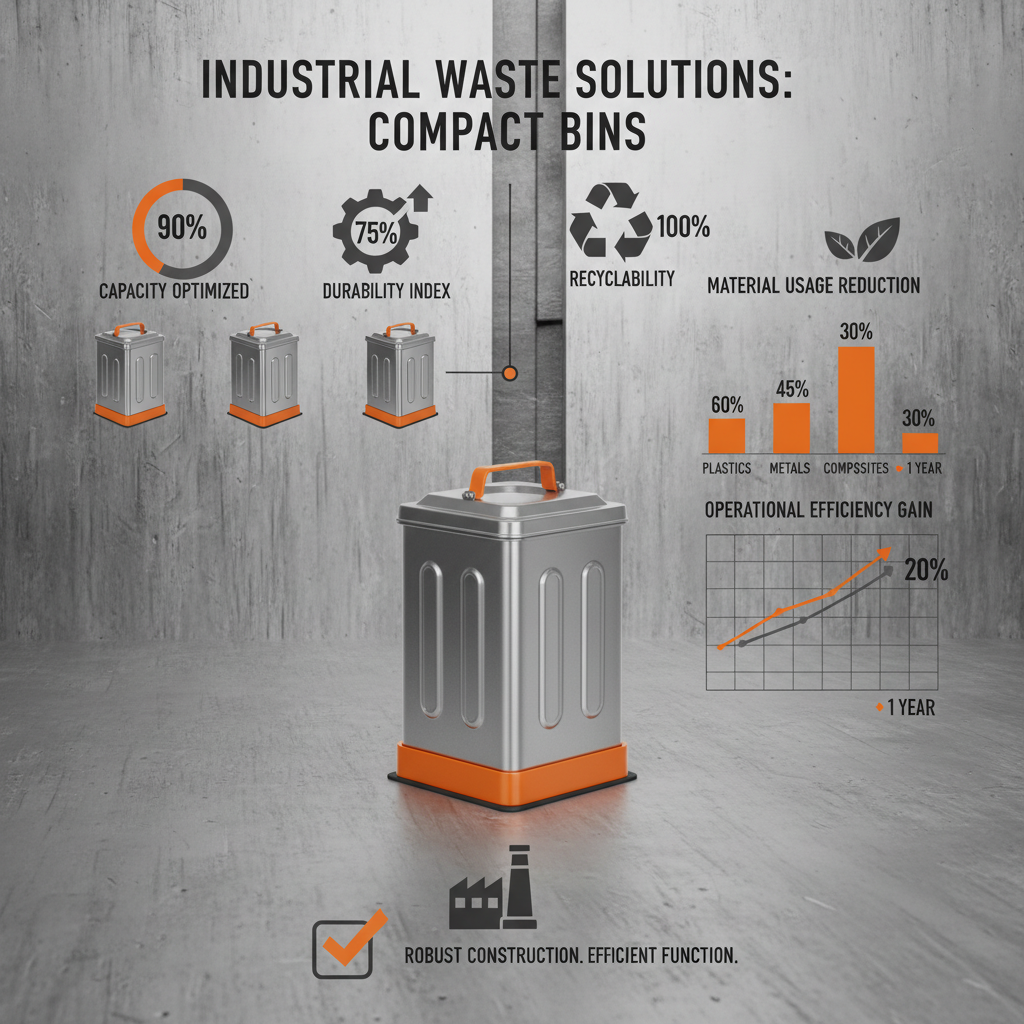
Benefits of Purchasing from HBYQ Metal
At HBYQ Metal, we offer a wide selection of high-quality small rubbish bins to suit any need. We pride ourselves on providing durable, aesthetically pleasing products at competitive prices. Our bins are made from premium materials, ensuring long-lasting performance. We also offer customization options to meet your specific requirements. With reliable shipping and excellent customer service, HBYQ Metal is your trusted partner for all your waste management solutions.
Conclusion: Finding the Perfect Small Rubbish Bin
Choosing the right small rubbish bin is a simple yet impactful step toward a cleaner, more organized space. Consider your needs, the environment, and the material before making a decision. Explore the diverse options available at HBYQ Metal, where quality and affordability meet. A well-chosen bin isn't just about waste disposal; it's about promoting hygiene, efficiency, and sustainability.
Frequently Asked Questions (FAQs)
How often should I clean my small rubbish bin?
To maintain hygiene and prevent odors, it's recommended to clean your small rubbish bin at least once a week, or more frequently if it's heavily used. Empty the bin completely, wash the interior with warm soapy water, and disinfect it with a suitable cleaning solution. For stainless steel bins, use a stainless steel cleaner to prevent streaks. Ensure the bin is thoroughly dried before relining it with a fresh bag. Regular cleaning prevents the buildup of bacteria and unpleasant smells, ensuring a healthier environment.
What type of bin liner should I use?
The best type of bin liner depends on the bin's capacity and the type of waste being disposed of. For general waste, standard plastic bin liners are suitable. For heavier or sharper waste, consider using thicker, more durable liners. Biodegradable bin liners are an environmentally friendly option, but they may not be as strong as traditional plastic liners. Ensure the liner fits the bin properly to prevent it from slipping or tearing. Always tie the liner securely before removing it from the bin.
Are stainless steel bins fingerprint-proof?
While stainless steel bins are generally resistant to fingerprints, they can still show them, especially after frequent use. However, many stainless steel bins have a special coating that helps to minimize fingerprint marks. Regularly wiping the bin with a stainless steel cleaner will help to keep it looking clean and polished. Microfiber cloths are also excellent for removing fingerprints without leaving streaks.
-
Best Durable Outdoor Garbage Can with Wheels for Every SpaceNewsApr.09,2026
-
Choosing the Right Dual Waste Bin for Business Efficiency and SustainabilityNewsApr.07,2026
-
Revolutionizing Waste Management with Versatile Electronic Bin SolutionsNewsApr.04,2026
-
Comprehensive Guide to Selecting the Right Rubbish Container SolutionsNewsMar.31,2026
-
Choosing the Right Large Rubbish Bin for Effective Waste ManagementNewsMar.28,2026
-
Choosing the Right Stainless Steel Waste Bin for Your NeedsNewsMar.26,2026
-
Maximize Space and Hygiene with the Ideal Wall Mounted Garbage Can SelectionNewsMar.24,2026