
Comprehensive Guide to Raccoon Proof Garbage Cans for Property Protection
Protect Your Property: A Comprehensive Guide to Raccoon Proof Garbage Cans
Dealing with raccoons raiding your garbage can be a frustrating and unsanitary experience. These clever creatures are notorious for their ability to access even seemingly secure containers, leaving a mess and potentially spreading disease. Fortunately, investing in raccoon proof garbage cans is a highly effective solution. This article provides a detailed overview of the problem, different types of raccoon-resistant cans, features to look for, and how to choose the right one for your needs. Let's explore how to reclaim your trash day and protect your property!

Understanding the Raccoon Problem
Raccoons are highly intelligent and adaptable animals. Their dexterity allows them to open latches, unscrew lids, and even tip over flimsy garbage cans. This behavior isn't malicious; they're simply searching for food. However, the consequences of raccoon raids can be significant, including scattered trash, damaged property, and potential exposure to diseases like rabies and parasites. Beyond the mess, attracting raccoons can also lead to further wildlife conflicts around your home. Preventing access to your garbage is a crucial step in responsible wildlife management.
Key Takeaway: Raccoons are incredibly resourceful, making standard garbage cans insufficient protection. A dedicated raccoon-proof solution is often necessary.
Types of Raccoon Proof Garbage Cans
Several types of garbage cans are designed to withstand raccoon attempts at entry. These generally fall into a few key categories: heavy-duty plastic cans with locking lids, metal cans with secure closures, and automatic opening/closing cans. The best option for you will depend on your budget, the severity of the raccoon problem in your area, and your personal preferences. Let's examine some of the most common options.
Common Types:
• Locking Lid Plastic Cans: Relatively affordable and effective.
• Metal Cans: Highly durable, but can be more expensive.
• Automatic Opening Cans: Convenient, but often the most costly.
Key Features to Look for in a Raccoon-Proof Can
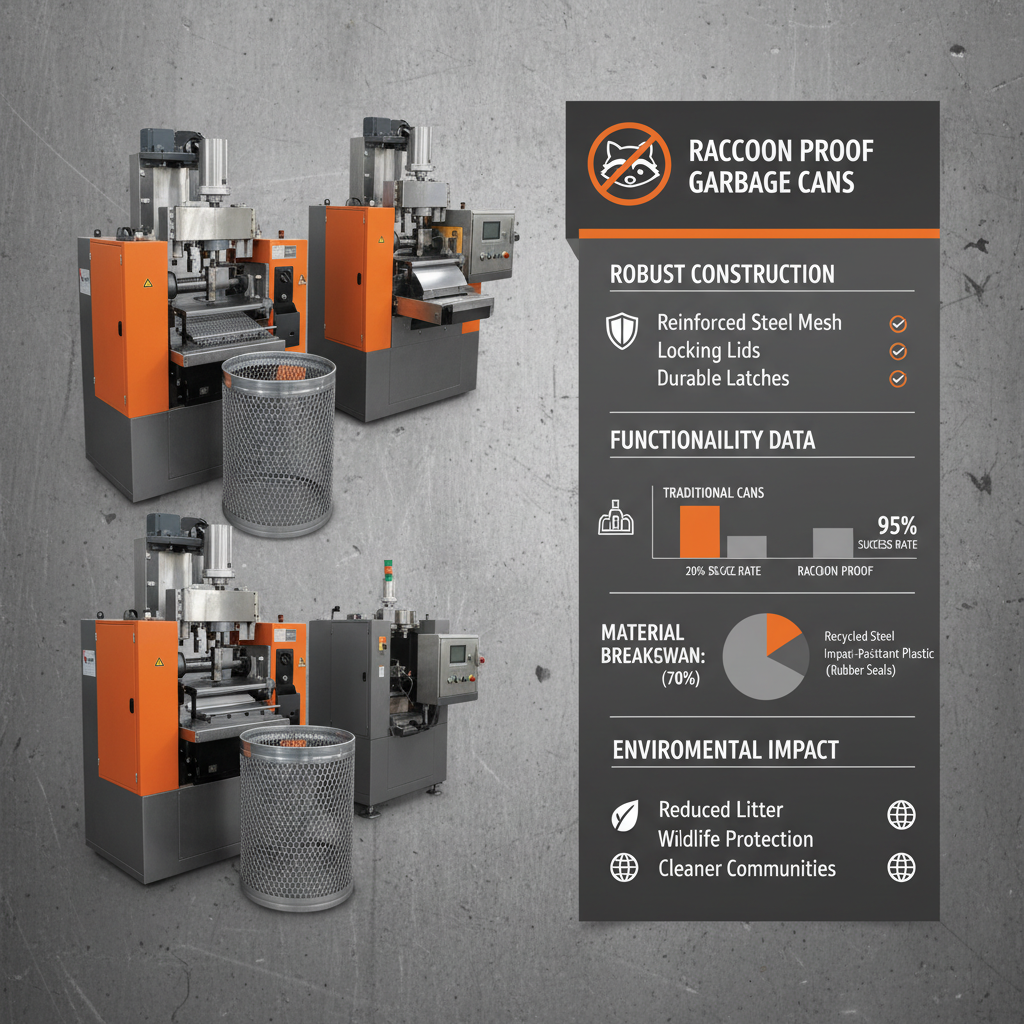
When selecting a raccoon proof garbage can, consider these features: a tight-fitting, locking lid that raccoons can't easily pry open, a robust construction (heavy-duty plastic or metal), a wide base that prevents tipping, and a weight that makes the can difficult to move. Look for cans with reinforced handles and durable hinges. Some models also include features like foot pedals for hands-free operation and built-in odor control.
Choosing the Right Size and Capacity
Consider the amount of trash your household generates when selecting a can. Too small, and you'll be emptying it frequently. Too large, and it may be difficult to maneuver. Common sizes range from 32 gallons to 96 gallons. Also, think about where the can will be stored. Ensure there's enough space for easy access and emptying. HBYQ Metal offers a range of sizes to suit various needs.
Long-Term Prevention: Combining Solutions
While a raccoon-proof garbage can is a significant step, consider combining it with other preventative measures. These include keeping the area around your cans clean, bringing cans in from the curb promptly after collection, and avoiding leaving food scraps or other attractants outdoors. Regularly inspect your cans for any signs of damage and address them immediately.
Conclusion: Invest in Peace of Mind
Investing in a high-quality raccoon proof garbage can from HBYQ Metal is a worthwhile investment in protecting your property and maintaining a clean, sanitary environment. Don't let raccoons dictate your trash day – take control and enjoy a raccoon-free lifestyle!
Frequently Asked Questions (FAQs)
Are all "raccoon proof" cans truly raccoon-proof?
While marketed as "raccoon-proof," no can is 100% impenetrable. Highly determined and clever raccoons may still find a way, particularly if the can is damaged or not properly secured. However, a well-constructed, locking can significantly reduces the chances of a successful raid. Look for cans specifically designed with features to deter raccoon access, such as robust latches and tight-fitting lids. Regular inspection and maintenance of your can are also crucial.
What is the best material for a raccoon-proof can – plastic or metal?
Metal cans (like those offered by HBYQ Metal) are generally more durable and resistant to raccoon attempts to chew or break into them. However, they can be more expensive and heavier. High-quality, heavy-duty plastic cans with secure locking lids can also be effective, especially if you reinforce the area around the lid with additional straps or hardware. Consider your budget and the severity of the raccoon problem in your area when making your decision.
How can I secure the can to prevent raccoons from tipping it over?
Tipping is a common tactic raccoons use to access garbage. You can secure the can by tying it to a stationary object like a fence post or a sturdy structure. Using bungee cords or heavy-duty straps works well. Alternatively, you can purchase can anchors that secure the can to the ground. Choosing a can with a wide base will also make it more stable.
Do automatic opening cans truly deter raccoons?
Automatic opening cans can deter raccoons, but they are not foolproof. Some raccoons are able to trigger the sensors, while others may simply wait for a person to open the can. The effectiveness depends on the sensitivity of the sensor and the raccoon’s persistence. They offer convenience, but may not be the most reliable option in areas with a significant raccoon population.
-
How to Choose the Best Durable Outdoor Patio Garbage CanNewsApr.16,2026
-
Best Durable Outdoor Garbage Can with Wheels for Every SpaceNewsApr.09,2026
-
Choosing the Right Dual Waste Bin for Business Efficiency and SustainabilityNewsApr.07,2026
-
Revolutionizing Waste Management with Versatile Electronic Bin SolutionsNewsApr.04,2026
-
Comprehensive Guide to Selecting the Right Rubbish Container SolutionsNewsMar.31,2026
-
Choosing the Right Large Rubbish Bin for Effective Waste ManagementNewsMar.28,2026
-
Choosing the Right Stainless Steel Waste Bin for Your NeedsNewsMar.26,2026