
Comprehensive Guide to Selecting the Right Outdoor Rubbish Bins for Your Needs
Choosing the Right Outdoor Rubbish Bins: A Comprehensive Guide
Selecting the appropriate outdoor rubbish bins is crucial for maintaining cleanliness, hygiene, and environmental responsibility in public spaces and private properties. From parks and streets to commercial areas and residential complexes, the right bins contribute significantly to efficient waste management. This article provides a detailed exploration of various types of outdoor rubbish bins, factors to consider when choosing them, and benefits of investing in high-quality options. We will cover material considerations, capacity requirements, and design features to help you make an informed decision.
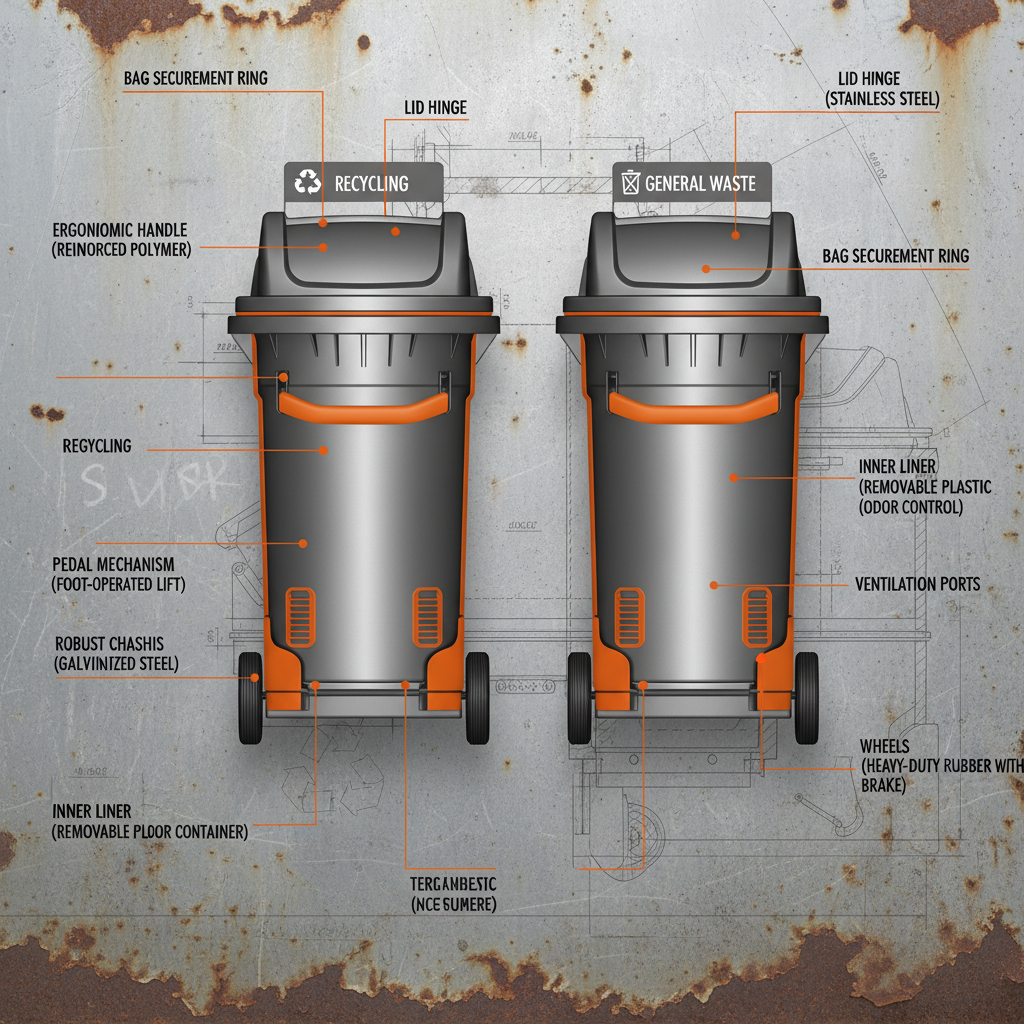
Types of Outdoor Rubbish Bins
A diverse range of outdoor rubbish bins are available to suit different needs. Common types include: general waste bins for non-recyclable items, recycling bins designated for specific materials (paper, plastic, glass, metal), and mixed recycling bins for co-mingled recyclables. Specialized bins, such as cigarette bins, dog waste bins, and compost bins, cater to particular waste streams. Consider your specific waste generation patterns and local recycling programs when choosing bin types. Choosing the right bin types encourages responsible waste disposal practices and maximizes recycling rates.
Key Considerations: Understanding the types of waste generated is essential for effective bin selection. Clearly labeled bins promote proper sorting and reduce contamination.
Material Choices: Durability and Sustainability
The material of your outdoor rubbish bins significantly impacts their durability, lifespan, and environmental footprint. Popular materials include plastic (polyethylene, polypropylene), metal (stainless steel, galvanized steel), and composite materials. Plastic bins are lightweight and cost-effective but may degrade over time with UV exposure. Metal bins are more durable and resistant to vandalism but can be heavier and more expensive. Composite materials offer a balance of strength, durability, and sustainability. Consider the climate, potential for vandalism, and your sustainability goals when selecting a material.
Material Comparison:
• Plastic: Lightweight, affordable, susceptible to UV damage.
• Metal: Durable, vandal-resistant, heavier, more expensive.
• Composite: Balanced strength, durability, and sustainability.
Capacity and Design: Matching Bins to Location Needs
The capacity of outdoor rubbish bins should be appropriate for the volume of waste generated in the designated location. High-traffic areas require larger capacity bins, while smaller areas may suffice with smaller bins. Design features, such as lids, foot pedals, and liners, enhance functionality and hygiene. Bins with lids prevent odors and deter pests. Foot pedals allow for hands-free operation, reducing the risk of contamination. Liners simplify waste collection and disposal. Consider the aesthetic appeal of the bins to ensure they complement the surrounding environment.
The Benefits of Investing in Quality Outdoor Rubbish Bins
Investing in high-quality outdoor rubbish bins yields numerous benefits. Durable bins reduce the frequency of replacements, saving costs in the long run. Properly designed bins promote responsible waste disposal, contributing to a cleaner and healthier environment. Aesthetically pleasing bins enhance the appearance of public spaces. Furthermore, investing in bins designed for recycling encourages environmentally friendly practices. Choosing the right bins demonstrates a commitment to sustainability and corporate social responsibility.
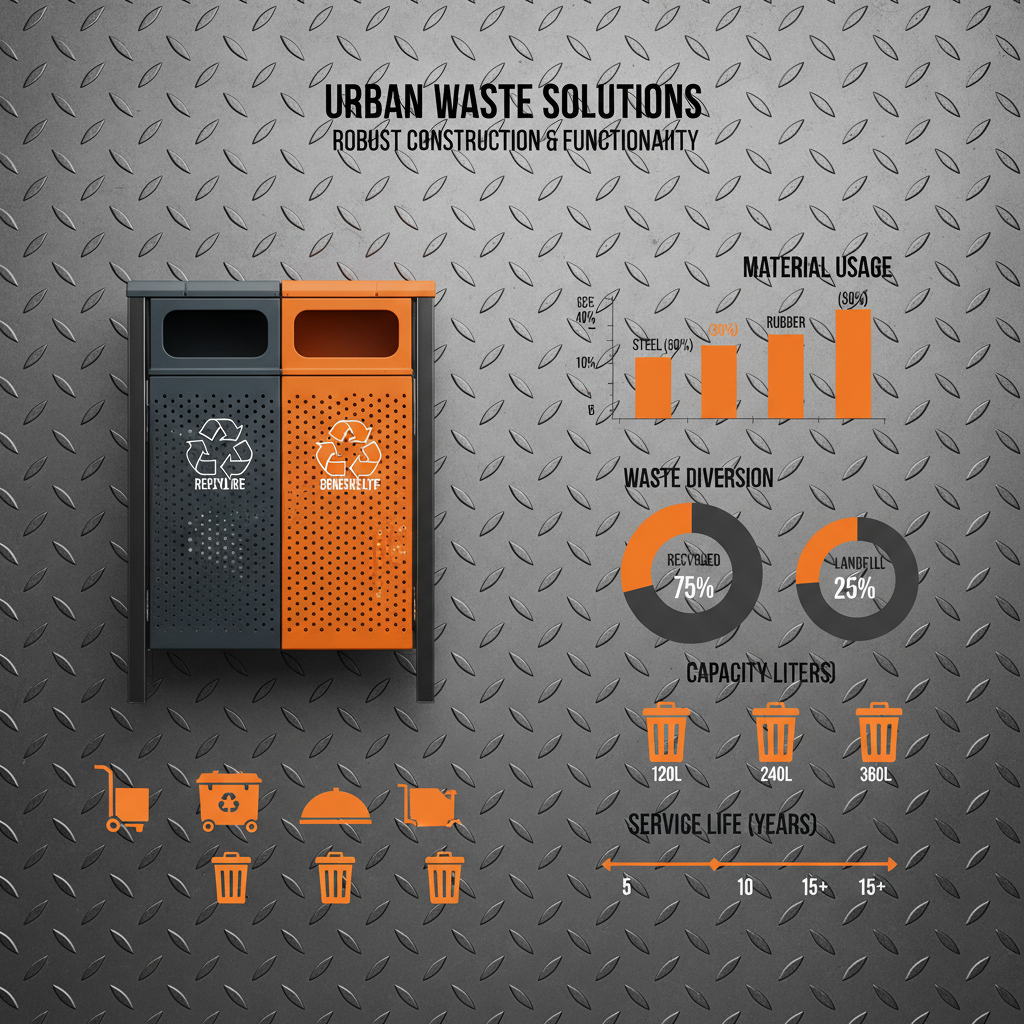
Choosing HBYQ Metal for Your Outdoor Bin Needs
At HBYQ Metal, we specialize in manufacturing high-quality outdoor rubbish bins tailored to a wide range of applications. We offer a comprehensive selection of materials, sizes, and designs to meet your specific requirements. Our bins are built to withstand harsh weather conditions and resist vandalism, ensuring long-lasting performance. We are committed to providing sustainable solutions that promote environmental responsibility. Contact us today to discuss your outdoor bin needs and receive a customized quote.
Conclusion: Investing in a Cleaner Future
Choosing the right outdoor rubbish bins is a vital step towards creating cleaner, more sustainable public and private spaces. By considering factors such as material, capacity, design, and durability, you can select bins that meet your specific needs and contribute to a healthier environment. HBYQ Metal provides a wide range of high-quality, durable bins to help you achieve your waste management goals.
Frequently Asked Questions (FAQs)
What is the typical lifespan of an outdoor rubbish bin?
The lifespan of an outdoor rubbish bin varies depending on the material, quality of construction, and environmental conditions. Plastic bins typically last 5-10 years, while metal bins can last 15-20 years or longer. Factors such as UV exposure, extreme temperatures, and vandalism can shorten the lifespan. Regular maintenance, such as cleaning and repairing minor damage, can help extend the life of your bins. Choosing bins made from durable, weather-resistant materials is crucial for maximizing their lifespan.
How often should outdoor rubbish bins be cleaned?
Outdoor rubbish bins should be cleaned regularly to prevent odors, pest infestations, and the spread of bacteria. The frequency of cleaning depends on the location and usage. High-traffic areas may require daily cleaning, while less frequented areas may only need cleaning weekly or bi-weekly. Use a mild detergent and water to clean the bins, and ensure they are thoroughly rinsed and dried before being put back into use. Consider using bin liners to simplify cleaning and reduce the need for frequent washing.
What are the benefits of using recycling bins?
Using recycling bins promotes environmental sustainability by reducing landfill waste, conserving natural resources, and lowering greenhouse gas emissions. Recycling bins encourage individuals to separate recyclable materials from general waste, increasing the efficiency of recycling programs. This helps to create a circular economy where materials are reused and repurposed, reducing the demand for virgin resources. Implementing a comprehensive recycling program with clearly labeled bins is a significant step towards a more sustainable future.
What safety features should I look for in outdoor rubbish bins?
Safety features are crucial when selecting outdoor rubbish bins. Look for bins with smooth edges to prevent injuries, secure lids to prevent spills and access by animals, and durable construction to withstand impact. In high-traffic areas, consider bins with rounded corners and reflective strips to enhance visibility. Bins should also be stable and resistant to tipping over. Regular inspection and maintenance of bins can help identify and address any potential safety hazards.
-
How to Choose the Best Durable Outdoor Patio Garbage CanNewsApr.16,2026
-
Best Durable Outdoor Garbage Can with Wheels for Every SpaceNewsApr.09,2026
-
Choosing the Right Dual Waste Bin for Business Efficiency and SustainabilityNewsApr.07,2026
-
Revolutionizing Waste Management with Versatile Electronic Bin SolutionsNewsApr.04,2026
-
Comprehensive Guide to Selecting the Right Rubbish Container SolutionsNewsMar.31,2026
-
Choosing the Right Large Rubbish Bin for Effective Waste ManagementNewsMar.28,2026
-
Choosing the Right Stainless Steel Waste Bin for Your NeedsNewsMar.26,2026