
Revolutionizing Waste Management with Innovative Smart Garbage Bin Solutions
Smart Garbage Bin: Revolutionizing Waste Management
In today's rapidly urbanizing world, efficient waste management is more critical than ever. Traditional garbage disposal methods are often inefficient, unhygienic, and contribute to environmental problems. Smart garbage bins are emerging as a game-changer, offering a technologically advanced solution to these challenges. These bins utilize sensors, automation, and connectivity to optimize waste collection, reduce costs, and promote sustainability. This article explores the benefits, features, and applications of smart garbage bins, and how they’re shaping the future of waste management.
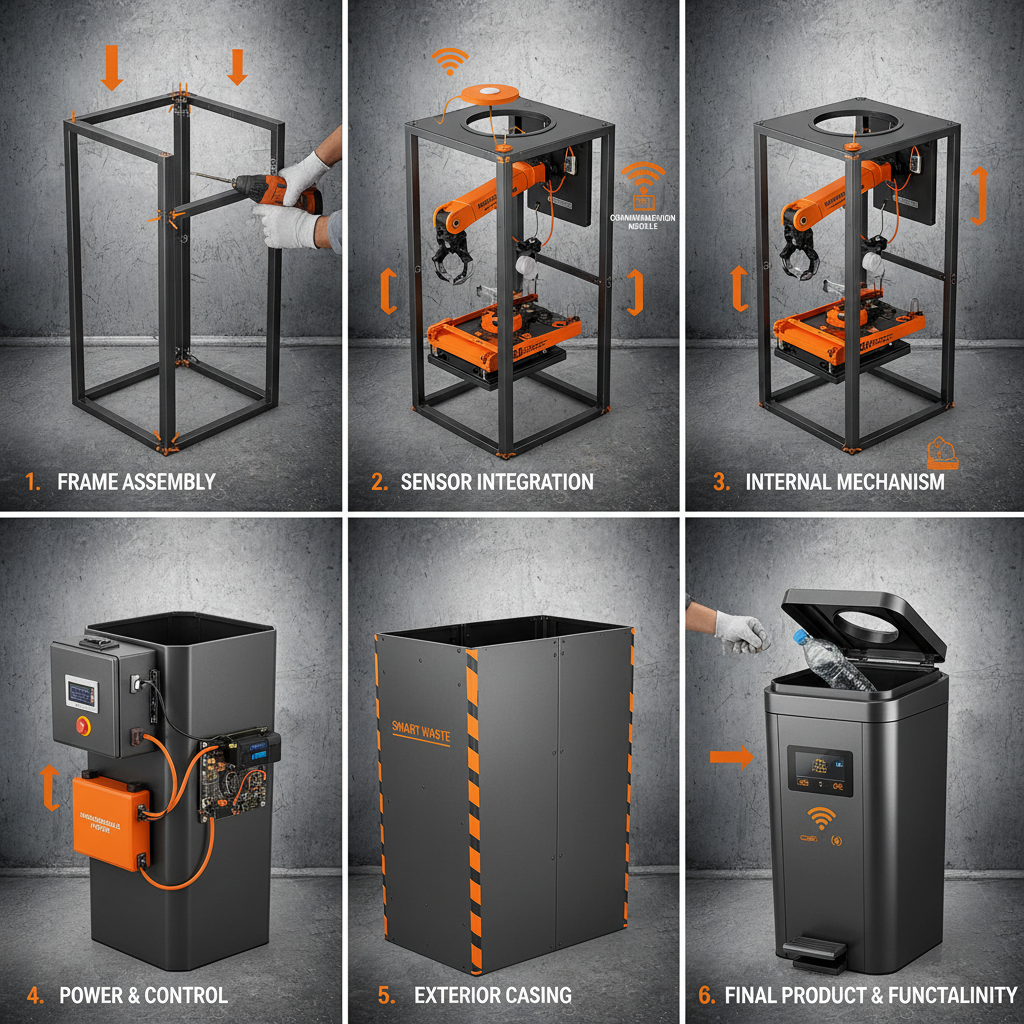
Understanding the Core Functionality of Smart Garbage Bins
At their core, smart garbage bins are equipped with sensors that monitor fill levels in real-time. These sensors, often ultrasonic or infrared, transmit data to a central management system. This allows waste collection agencies to optimize their routes, collecting bins only when they’re full, reducing unnecessary trips and fuel consumption. Many smart bins also incorporate compaction technology, significantly increasing their capacity. This feature is particularly useful in high-traffic areas where bins fill up quickly. Furthermore, some models offer automated sorting capabilities, separating recyclable materials from general waste, contributing to higher recycling rates.
Key Benefits: Optimized waste collection routes, reduced fuel consumption, increased capacity through compaction, and improved recycling rates.
Key Features and Technologies Used
Several key technologies power the functionality of smart garbage bins. Ultrasonic sensors accurately measure fill levels without physical contact. IoT (Internet of Things) connectivity enables real-time data transmission to cloud-based management platforms. Compaction mechanisms, powered by solar or electricity, drastically increase bin capacity. Some bins also utilize weight sensors to monitor the amount of waste deposited. Furthermore, features like odor control systems and automated cleaning cycles enhance hygiene and user experience. The integration of these technologies creates a sophisticated waste management solution.
Core Technologies:
• Ultrasonic Sensors: Precise fill level measurement.
• IoT Connectivity: Real-time data transmission.
• Compaction Mechanisms: Increased capacity.
• Weight Sensors: Waste quantity monitoring.
Smart Garbage Bin vs. Traditional Bins: A Detailed Comparison
The difference between smart garbage bins and traditional bins is substantial. Traditional bins rely on fixed collection schedules, often leading to overflowing bins or half-empty trucks. Smart bins, on the other hand, offer dynamic collection based on actual need. This results in significant cost savings, reduced environmental impact, and improved public health. The initial investment in smart bins is higher, but the long-term benefits far outweigh the costs. The ability to monitor bin status remotely, track waste generation patterns, and optimize collection routes provides valuable insights for data-driven waste management.
Applications of Smart Garbage Bins Across Different Settings
Smart garbage bins are adaptable to a wide range of environments. In urban areas, they can be deployed in parks, sidewalks, and commercial districts to improve cleanliness and reduce overflow. Shopping malls and airports benefit from their high capacity and odor control features. Educational institutions can use them to promote recycling and educate students about sustainable waste management practices. Residential communities can implement smart bins to streamline waste collection and reduce neighborhood clutter. The versatility of these bins makes them a valuable asset in various settings.
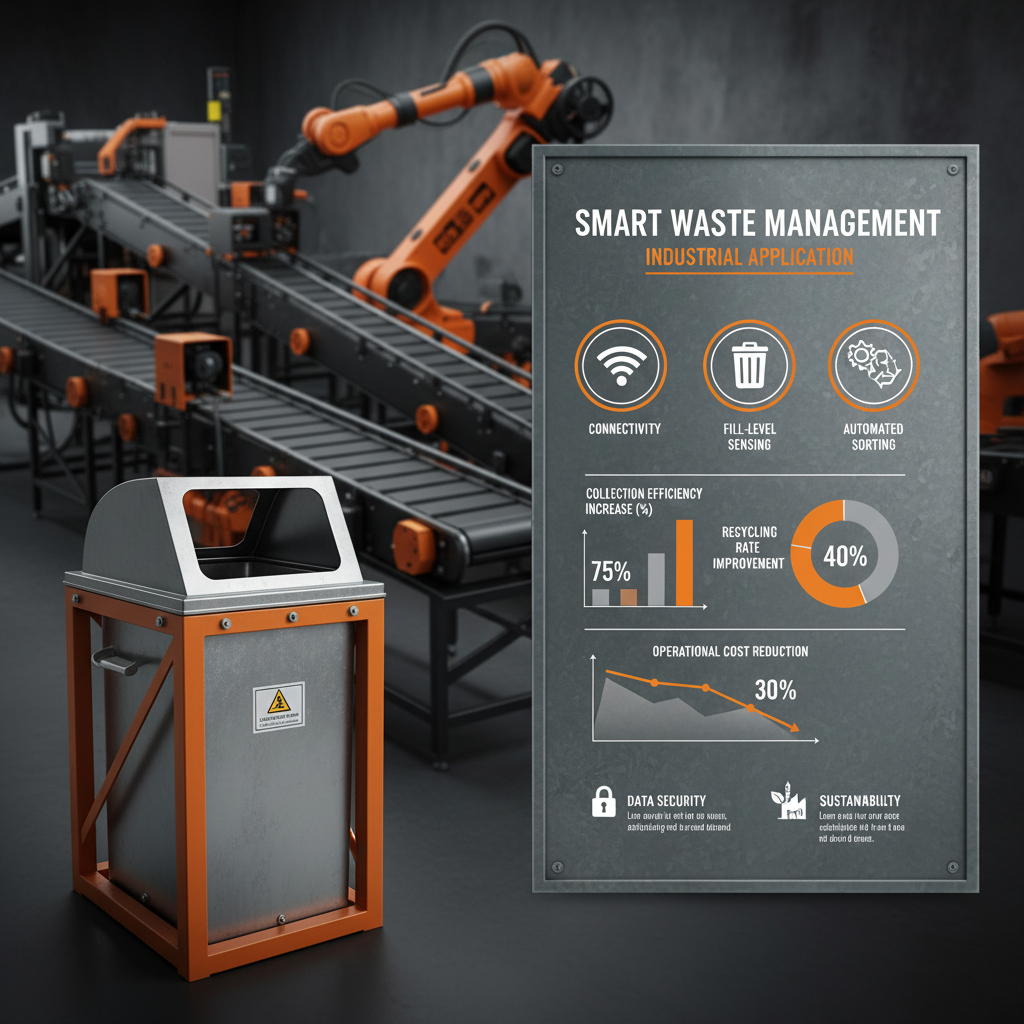
Product Specifications and Choosing the Right Smart Bin
When selecting a smart garbage bin, consider factors such as capacity, materials, power source, and connectivity options. Different models offer varying levels of functionality and features. Solar-powered bins are environmentally friendly and cost-effective, while electric bins provide consistent performance. Look for bins made from durable, weather-resistant materials to ensure longevity. Ensure the bin is compatible with existing waste management systems and offers secure data transmission. HBYQ Metal offers a range of smart garbage bins tailored to specific needs.
Conclusion: Embracing a Smarter Future for Waste Management
Smart garbage bins represent a significant advancement in waste management technology. By optimizing collection routes, reducing costs, and promoting sustainability, they offer a compelling solution to the challenges of modern urbanization. Investing in smart waste management solutions is a step towards a cleaner, more efficient, and more sustainable future.
Frequently Asked Questions (FAQs)
What is the typical return on investment (ROI) for smart garbage bins?
The ROI varies depending on the scale of deployment and local waste management costs, but studies show a typical ROI within 2-5 years. The primary cost savings come from reduced fuel consumption and labor costs associated with optimized collection routes. Furthermore, increased recycling rates can generate additional revenue. The long-term environmental benefits and improved public health also contribute to the overall value proposition. Detailed cost-benefit analyses can be provided by HBYQ Metal to help assess the potential ROI for specific applications.
Are smart garbage bins vulnerable to hacking or data breaches?
Data security is a crucial consideration. Reputable smart bin manufacturers like HBYQ Metal implement robust security measures to protect against unauthorized access. These measures include data encryption, secure communication protocols, and regular software updates to address potential vulnerabilities. It's important to choose a vendor that prioritizes cybersecurity and complies with relevant data privacy regulations.
How easy are smart garbage bins to maintain?
Maintenance requirements are generally minimal. The bins are designed for durability and require only routine cleaning. The sensors have a long lifespan and require infrequent calibration. Remote monitoring allows for proactive identification of potential issues, reducing the need for on-site repairs. HBYQ Metal provides comprehensive maintenance support and service plans to ensure optimal performance.
What types of waste can be managed by smart bins?
Smart bins are versatile and can handle a variety of waste streams, including general waste, recyclables (paper, plastic, glass), and organic waste. Some models are specifically designed for specialized waste types, such as hazardous materials or electronic waste. The configuration of the bin can be customized to meet the specific needs of the application.
-
How to Choose the Best Durable Outdoor Patio Garbage CanNewsApr.16,2026
-
Best Durable Outdoor Garbage Can with Wheels for Every SpaceNewsApr.09,2026
-
Choosing the Right Dual Waste Bin for Business Efficiency and SustainabilityNewsApr.07,2026
-
Revolutionizing Waste Management with Versatile Electronic Bin SolutionsNewsApr.04,2026
-
Comprehensive Guide to Selecting the Right Rubbish Container SolutionsNewsMar.31,2026
-
Choosing the Right Large Rubbish Bin for Effective Waste ManagementNewsMar.28,2026
-
Choosing the Right Stainless Steel Waste Bin for Your NeedsNewsMar.26,2026